

The Best SEO Strategy in Digital Marketing for Beginners
A Practical Guide for Small Business Owners Who Want to Get Found Online
Search Engine Optimization (SEO) is one of the most powerful and misunderstood digital marketing strategies available to small businesses today. If you’ve ever wondered why competitors show up on Google before you do, or why your website isn’t bringing in consistent leads, SEO is often the missing piece.
Luckily, you don’t need to be a technical expert or a large company with a massive budget to benefit from SEO. With the right foundational strategy, beginners can build sustainable visibility, attract qualified traffic, and grow their business over time.
This guide breaks down the best SEO strategy in digital marketing for beginners, explains what actually matters (and what doesn’t), and helps you understand how SEO fits into a realistic small business marketing plan.
What Is SEO (and Why It Matters)?
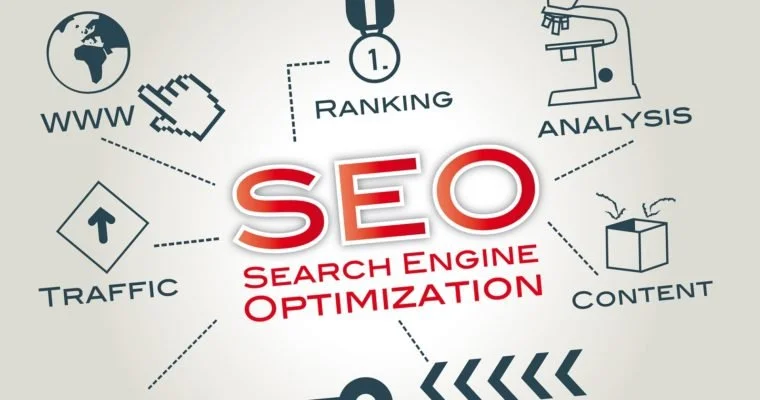
SEO is the process of optimizing your website and content so search engines like Google can:
Understand what your business offers
Trust your website as a credible source
Show your pages to the right people at the right time
According to BrightEdge, over 53% of all website traffic comes from organic search, making SEO the largest source of trackable traffic for most businesses. Even more importantly, SEO traffic tends to convert better than many paid channels because users are actively searching for solutions.
SEO is valuable because it:
Builds long-term visibility (unlike ads that stop when the budget runs out)
Brings in higher-intent website visitors
Supports every other marketing channel (content, social, email, local search)
The Best SEO Strategy Starts With the Fundamentals
SEO doesn’t work when you jump straight into advanced tactics. The most effective strategy for beginners focuses on consistency, and credibility.
Here are the core pillars you should focus on first.
1. Keyword Research: Understanding How Customers Search
Keyword research is the foundation of any SEO strategy. Keywords are the phrases people type into Google when they’re looking for products, services, or information.
For beginners, the goal isn’t to rank for the biggest, most competitive keywords—it’s to rank for relevant, realistic, and high-intent searches.
Focus on keywords that clearly relate to your services, reflect buyer intent (not just curiosity) and include location or specific solutions when possible.
Example:
Instead of targeting “SEO,” a small business might target:
“SEO for small businesses”
“local SEO services in [city]”
“how to improve Google rankings for my business”
Where to Find Keywords
Beginner-friendly tools include:
Google Search suggestions
Google’s “People Also Ask” section
Google Keyword Planner via Google Ads platform
SEMRUSH (free version)
Ahrefs Keyword Generator (free version)
Pro Tip for Keyword Use
Use your main keyword in page titles and headings
Include it naturally in your content
Avoid keyword stuffing (this hurts rankings)
2. Content Creation: The Core of SEO
SEO and content go hand in hand. Google rewards websites that consistently publish helpful, relevant, and well-structured content.
According to HubSpot, businesses that blog regularly generate 67% more leads than those that don’t.
Start with content that:
Answers common customer questions
Explains your services clearly
Educates rather than sells aggressively
Examples include blog posts, service pages, FAQs, local guides, and educational resources.
Beginner Content Tips
Write for humans first, search engines second
Break content into sections with headers
Use bullet points for readability
Focus on clarity over cleverness
You don’t need to publish daily—consistency matters more than volume.
3. On-Page SEO: Making Your Website Easy to Understand
On-page SEO helps search engines understand what each page of your website is about. Make sure each page includes:
A clear page title with your main keyword
One main heading (H1)
Supporting subheadings (H2s and H3s)
Internal links to other relevant pages
Clear calls to action
Your website structure should guide both users and search engines smoothly.
4. Technical SEO Basics (Without the Overwhelm)
Technical SEO sounds intimidating, but beginners only need to focus on a few essentials.
Mobile-friendly website (over 60% of searches happen on mobile)
Fast loading speed (Google favors faster sites)
Secure website (HTTPS)
Clean navigation structure
You don’t need advanced coding knowledge—most modern web hosting platforms handle much of this automatically.
5. Link Building: Building Trust Over Time
Backlinks (links from other websites to yours) signal credibility to search engines.
According to Ahrefs, over 90% of pages never receive organic traffic, largely because they lack backlinks.
Beginner Link-Building Strategies
Create content worth sharing
Partner with local businesses
Submit to relevant directories
Get mentioned in local news or blogs
Avoid spammy shortcuts. Quality matters more than quantity.
6. Analytics & Tracking: Measuring What Matters
SEO is not a “set it and forget it” strategy. Tracking performance helps you improve over time. Here’s what you should be monitoring:
Website traffic
Top-performing pages
Search queries bringing visitors
Conversions (forms, calls, inquiries)
Free tools like Google Analytics and Google Search Console provides valuable insights not just for marketers but for small business owners too.

Common SEO Mistakes Beginners Should Avoid
Trying to rank for overly broad keywords
Ignoring local SEO
Publishing thin or duplicate content
Expecting overnight results
Not tracking performance
SEO is a long-term investment, not a quick fix.
If SEO feels overwhelming, you’re not alone. Download this free SEO Starter Checklist that is designed for small business owners with little to no SEO experience who want to understand the basics without jargon, tools, or technical stress.
Use this as a starting point—not a perfection test.
Ready to Build a Smarter SEO Strategy?
Marie Battle Marketing offers flexible options designed for small businesses.
Get a personalized SEO and marketing roadmap based on your business, audience, and growth goals.
If local visibility is a priority, you may also want to review our guide on the local SEO fundamentals for small businesses, along with downloading our free Local SEO Self-Audit Checklist, to identify quick wins that impact local search results.
Long-form or short-form blog creation
Website copy refresh for SEO and conversions
You don’t need to master SEO alone; having the right strategy can save time, money, and frustration.